Peptic Ulcers
Injectable ranitidine can be used for the treatment of peptic ulcers in the stomach or small intestine. It helps heal ulcers by reducing stomach acid production.

Ranitidine
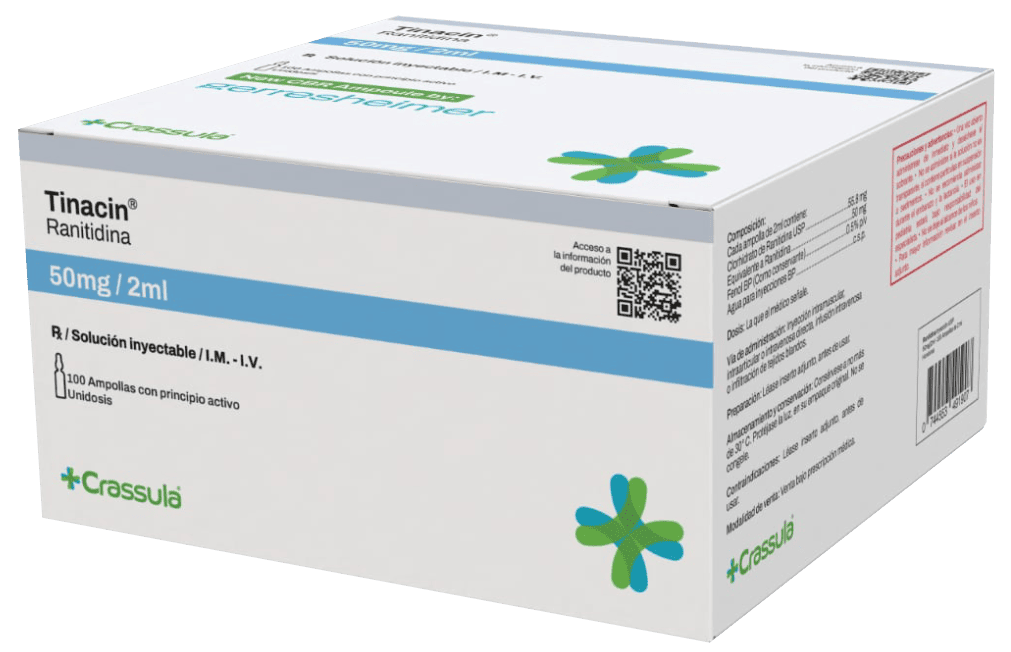
Ranitidine is a medication that belongs to a class of drugs known as H2 receptor antagonists. It works by blocking the action of histamine on H2 receptors in the cells of the stomach wall. Histamine is a chemical substance that stimulates the production of gastric acid.
By blocking these receptors, ranitidine reduces the amount of acid produced in the stomach, which decreases acidity and relieves the symptoms associated with excess acid, such as heartburn and irritation of the esophagus.

The indications for injectable ranitidine include:
Injectable ranitidine can be used for the treatment of peptic ulcers in the stomach or small intestine. It helps heal ulcers by reducing stomach acid production.
It can relieve the symptoms of acid reflux, such as heartburn, regurgitation and irritation of the esophagus in situations where oral administration is not possible or not effective.
In critically ill hospitalized patients who are at risk of developing ulcers in the stomach mucosa due to extreme physical stress or severe injuries, injectable ranitidine can be used to prevent the formation of these ulcers.
In rare cases of this syndrome, in which the body produces excessive amounts of gastric acid, injectable ranitidine can be part of the treatment to control acid production.
Used for the prevention of recurrent upper gastrointestinal bleeding in patients with bleeding peptic ulcers.
The mechanism of action of ranitidine is that of an H2 receptor antagonist, which means that it acts by blocking the H2 receptors in the parietal cells of the gastric mucosa.
Injectable ranitidine binds selectively to the H2 receptors in the parietal cells of the stomach. These receptors are normally stimulated by histamine, a chemical substance released in the stomach in response to food and other stimuli. When H2 receptors are stimulated, they trigger a cascade of signals that increases the production of hydrochloric acid in the parietal cells.
By blocking H2 receptors, ranitidine prevents histamine from stimulating the production of gastric acid. This leads to a significant decrease in the amount of acid secreted in the stomach.
The reduction of stomach acidity has a beneficial effect in the treatment of various conditions related to excess gastric acid, such as peptic ulcers, gastroesophageal reflux, esophagitis and other gastrointestinal disorders.
How Tinacin works
Ranitidine is a medication that belongs to a class of drugs known as H2 receptor antagonists. It works by blocking the action of histamine on H2 receptors in the cells of the stomach wall. Histamine is a chemical substance that stimulates the production of gastric acid. By blocking these receptors, ranitidine reduces the amount of acid produced in the stomach, which decreases acidity and relieves the symptoms associated with excess acid, such as heartburn and irritation of the esophagus.
The indications for injectable ranitidine include: peptic ulcers, gastroesophageal reflux (GERD), prevention of stress ulcers, Zollinger-Ellison syndrome and prevention of recurrent upper gastrointestinal bleeding.
The mechanism of action of ranitidine is that of an H2 receptor antagonist, which means that it acts by blocking the H2 receptors in the parietal cells of the gastric mucosa. By blocking H2 receptors, ranitidine prevents histamine from stimulating the production of gastric acid. This leads to a significant decrease in the amount of acid secreted in the stomach.
Injectable ranitidine binds selectively to the H2 receptors in the parietal cells of the stomach. These receptors are normally stimulated by histamine, a chemical substance released in the stomach in response to food and other stimuli. When H2 receptors are stimulated, they trigger a cascade of signals that increases the production of hydrochloric acid in the parietal cells.
The reduction of stomach acidity has a beneficial effect in the treatment of various conditions related to excess gastric acid, such as peptic ulcers, gastroesophageal reflux, esophagitis and other gastrointestinal disorders.
It can relieve the symptoms of acid reflux, such as heartburn, regurgitation and irritation of the esophagus in situations where oral administration is not possible or not effective.
Tinacin contains Ranitidine 50 mg / 2 ml. It is an injectable solution for I.M. and I.V. use.
Crassula Pharma certifies that all our products are manufactured in accordance with GMP parameters.

Crassula Pharma certifies that all our products are manufactured in accordance with GMP parameters.