Neuropathic Pain
For the treatment of peripheral and central neuropathic pain.

Pregabalin
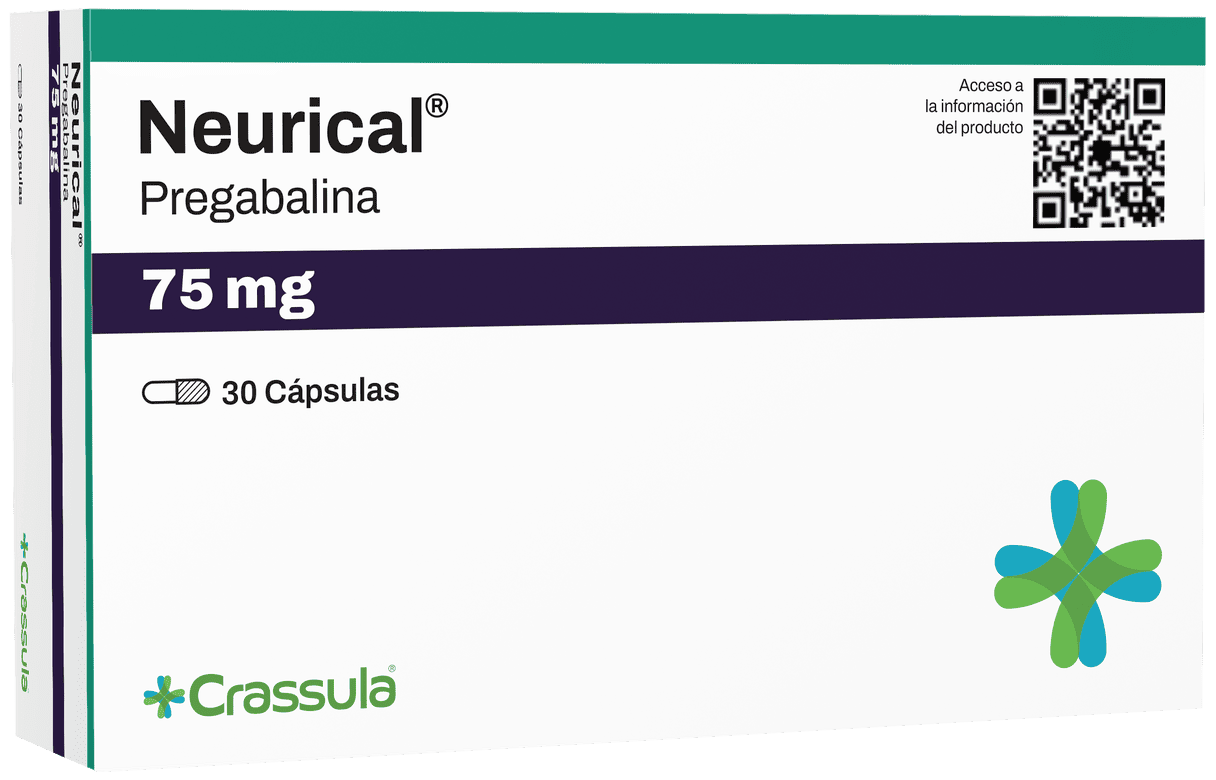
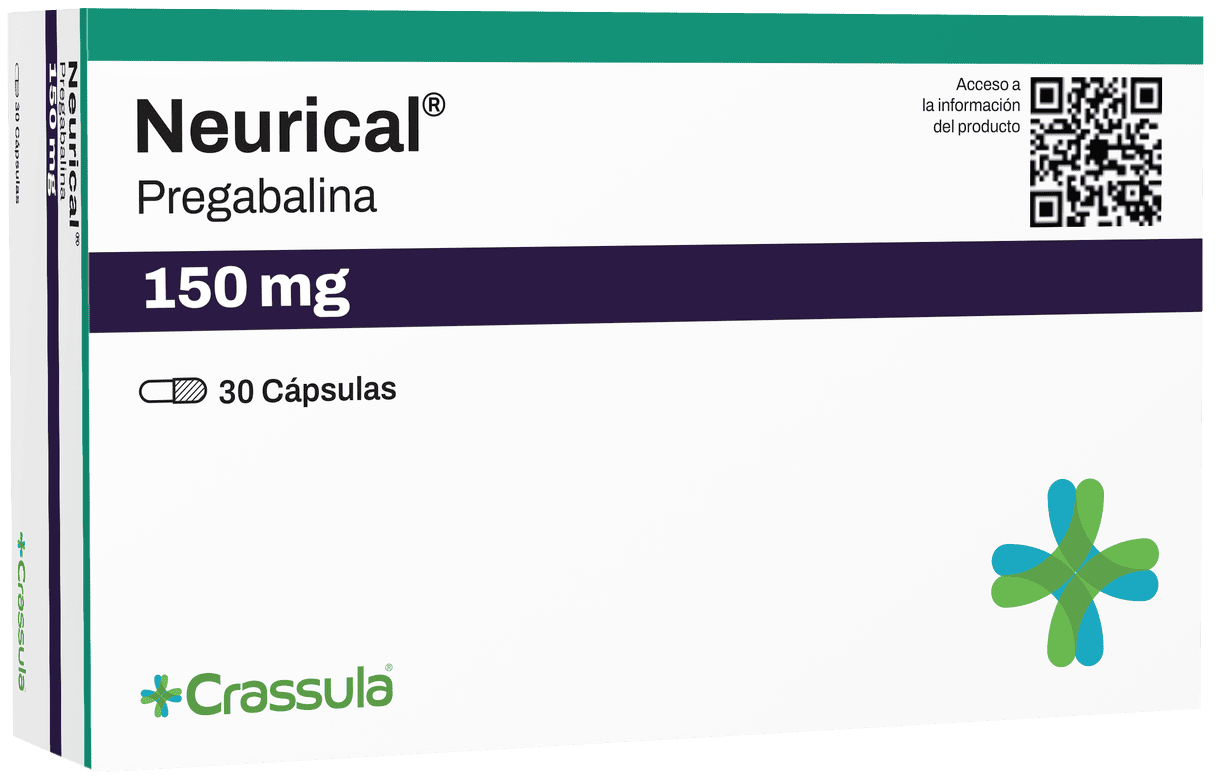
NEURICAL is a pregabalin hard gelatin capsule indicated for the treatment of neuropathic pain, as adjunctive therapy in epilepsy, and for generalised anxiety disorder, according to the approved product information.

Pregabalin is indicated for the treatment of peripheral and central neuropathic pain, as adjunctive therapy in epilepsy, and for generalised anxiety disorder.
For the treatment of peripheral and central neuropathic pain.
As adjunctive treatment for partial-onset seizures, with or without secondary generalisation.
For the treatment of generalised anxiety disorder.
May be taken with or without food, in two or three divided doses.
Box of 30 and 100 capsules
Box of 30 and 100 capsules
Pregabalin binds to the α2-δ auxiliary subunit of voltage-gated calcium channels, reducing calcium influx and the release of excitatory neurotransmitters.
How Neurical works
Pain Signal or Excessive Neuronal Excitation Hyperactive Neuron Voltage-Gated Calcium Channels(α2-δ Subunit)Pregabalin Binds Here Reduced Calcium Influx Reduced Release of Excitatory Neurotransmitters Reduced Neuronal HyperexcitabilityPeak plasma concentrations occur within 1 hour after oral administration in the fasted state. Oral bioavailability is estimated to be ≥90% and is independent of dose.
Pregabalin is eliminated primarily by renal excretion as unchanged drug. Dose adjustment is required in renal impairment and after haemodialysis.
If pregabalin has to be discontinued, withdrawal should be gradual over a minimum of one week, independent of the indication.
Dizziness and somnolence may occur. Refer to the approved prescribing information for contraindications, warnings, precautions, adverse reactions and interactions.
NEURICAL is a pregabalin hard gelatin capsule indicated for the treatment of neuropathic pain, as adjunctive therapy in epilepsy, and for generalised anxiety disorder, according to the approved product information.
Pregabalin is indicated for the treatment of peripheral and central neuropathic pain, as adjunctive therapy in epilepsy, and for generalised anxiety disorder. In epilepsy, it is used as adjunctive treatment for partial-onset seizures, with or without secondary generalisation.
Pregabalin binds to the α2-δ auxiliary subunit of voltage-gated calcium channels, reducing calcium influx and the release of excitatory neurotransmitters.
Administer orally, with or without food, in two or three divided doses. The recommended daily dose range is 150 to 600 mg, according to the indication, individual response and tolerability. Dose adjustment in patients with impaired renal function must be individualised according to creatinine clearance.
Peak plasma concentrations occur within 1 hour after oral administration in the fasted state. Oral bioavailability is estimated to be ≥90% and is independent of dose. Pregabalin is eliminated primarily by renal excretion as unchanged drug. Dose adjustment is required in renal impairment and after haemodialysis.
If pregabalin has to be discontinued, withdrawal should be gradual over a minimum of one week, independent of the indication.
Dizziness and somnolence may occur. Refer to the approved prescribing information for contraindications, warnings, precautions, adverse reactions and interactions.
Each hard gelatin capsule contains pregabalin 75 mg or 150 mg. Both strengths are available in boxes of 30 or 100 capsules, following the British Pharmacopoeia standard. Refer to the approved product information for storage conditions and shelf life.

Each hard gelatin capsule contains pregabalin 75 mg or 150 mg. Both strengths are available in boxes of 30 or 100 capsules. Refer to the approved product information for storage conditions and shelf life.